Malaysia’s first revert leadership and unity platform.
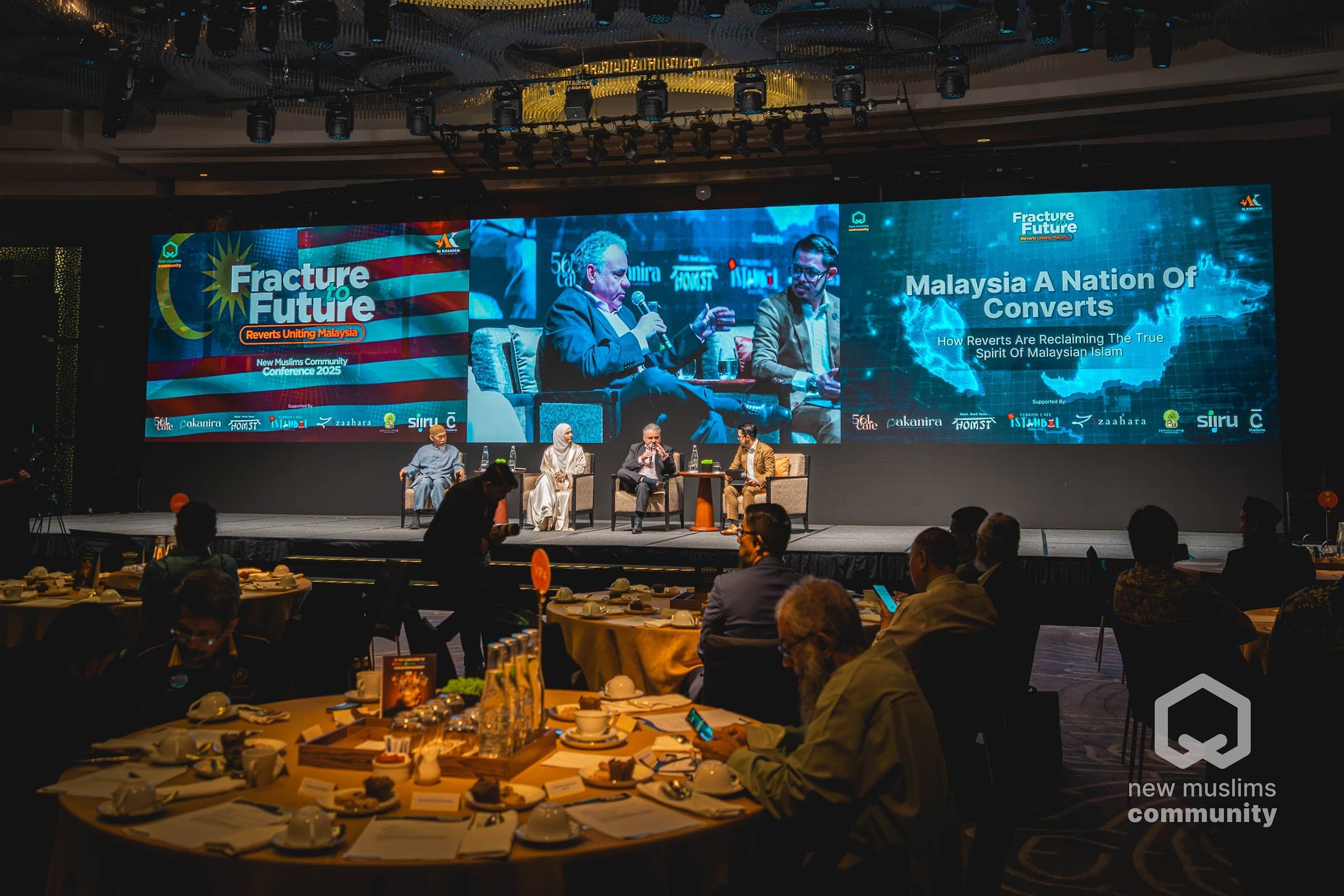
On one day in Kuala Lumpur, the New Muslims Community Conference brought reverts, scholars, media and national leaders into the same room — and reframed a conversation Malaysia has been circling for decades.
Malaysia is not lacking in conversations about unity. It is lacking in structures that actually produce it.
Within this landscape exists a group that has largely been overlooked — not out of irrelevance, but out of misframing: reverts. They are not simply new entrants into Islam. They are individuals who have crossed identity boundaries in a way most Malaysians have not.
Across four sessions, the conference moved beyond surface narratives into underlying tensions: race-religion conflation, the politicisation of Islam, social fragmentation, and the absence of coherent support structures.
Bridge-builders
Reverts are uniquely positioned to function as bridge-builders between Malaysia’s communities.
Under-structured
Current systems are insufficiently structured to support or utilise them.
Demand & readiness
There is both demand and readiness for a sustained national platform.
The reality of reverts in Malaysia
Reverts in Malaysia are often visible but rarely understood.
Beyond the Narrative
Public perception reduces the revert journey to simplified stories — personal transformation, marriage-driven conversion, isolated struggle. In reality a revert moves across legal systems, family expectations, cultural assumptions and institutional realities, all at the same time.
Identity vs Assimilation
The decision to embrace Islam becomes entangled with pressure to conform culturally — “becoming Malay” — creating confusion, resistance from families, and internal conflict.
Family & Economic Disruption
Unlike born Muslims, reverts often face immediate consequences at the family level: emotional estrangement, loss of financial support, inheritance complications — sometimes economic instability at the exact moment of a major life transition.
Institutional Gaps
Malaysia has multiple organisations supporting reverts, but the ecosystem remains fragmented. Guidance is given at the beginning, yet continuity is often missing — support is inconsistent, reactive, and dependent on informal networks.
Caught Between Communities
No longer fully part of their previous community, not always fully integrated into the new one. Having lived on both sides of the divide, reverts can understand non-Muslim concerns without defensiveness and communicate across boundaries with credibility.
Four sessions, one question
Each session moved past comfortable narratives into the tensions Malaysians usually avoid saying out loud.
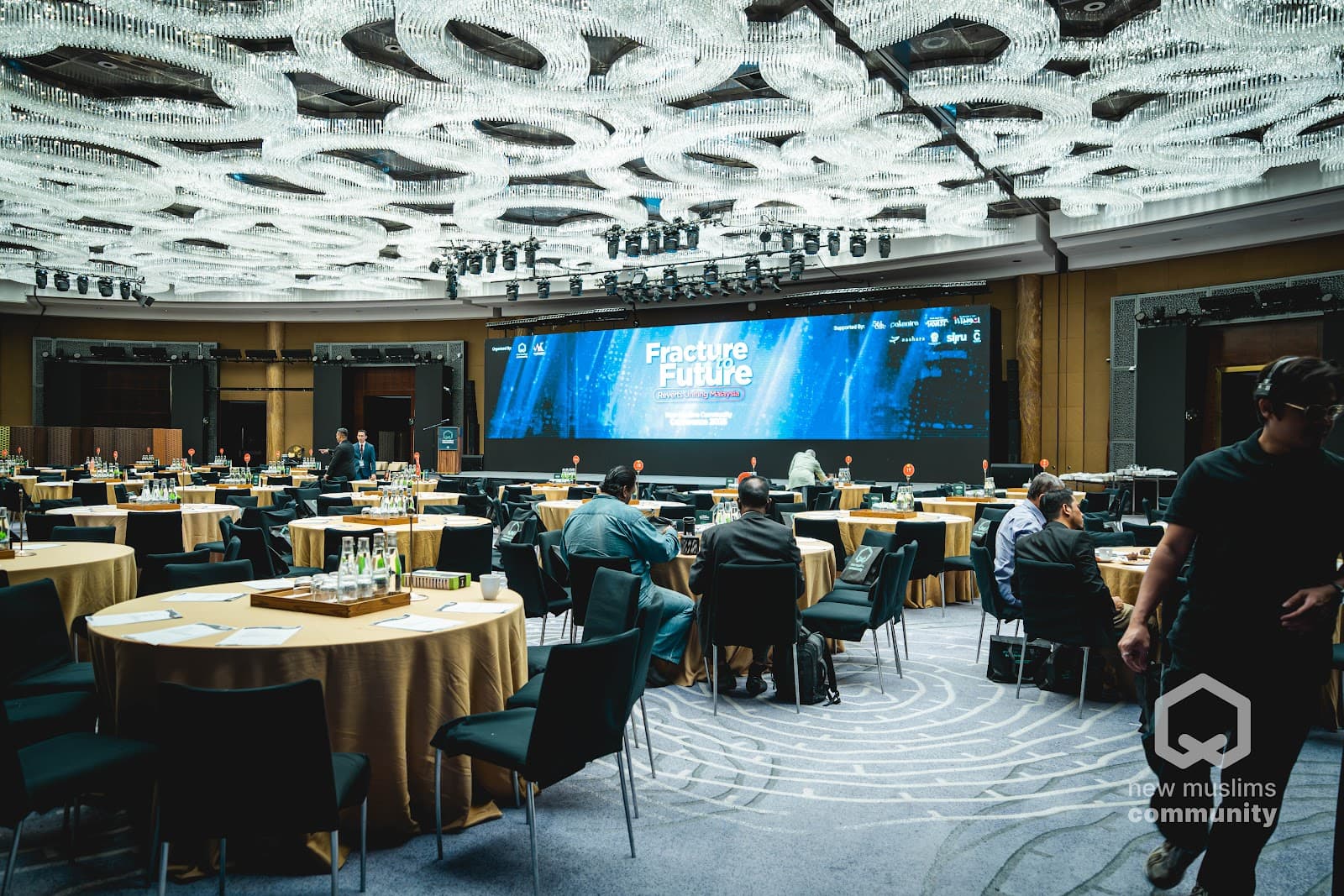
Malaysia: A Nation of Reverts
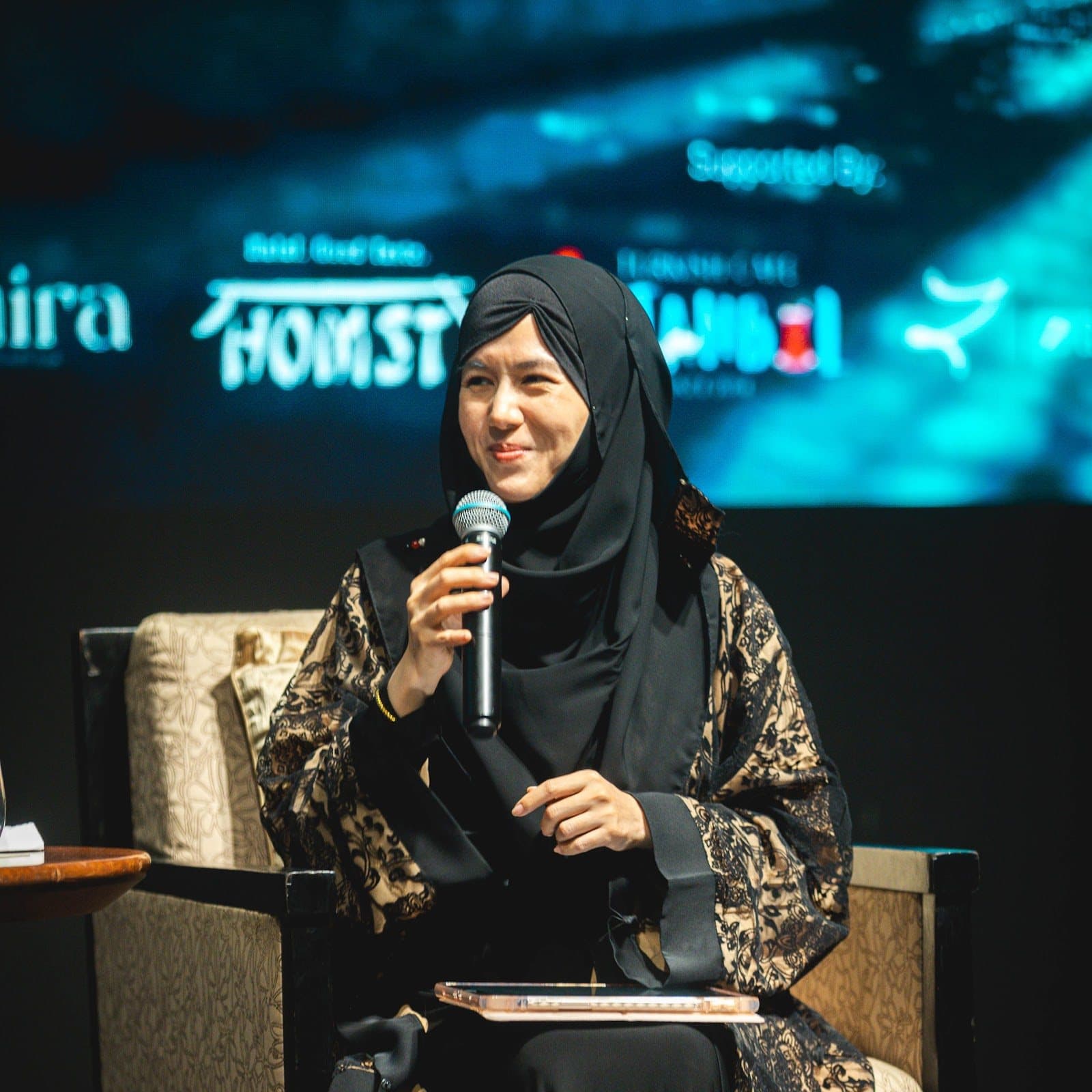
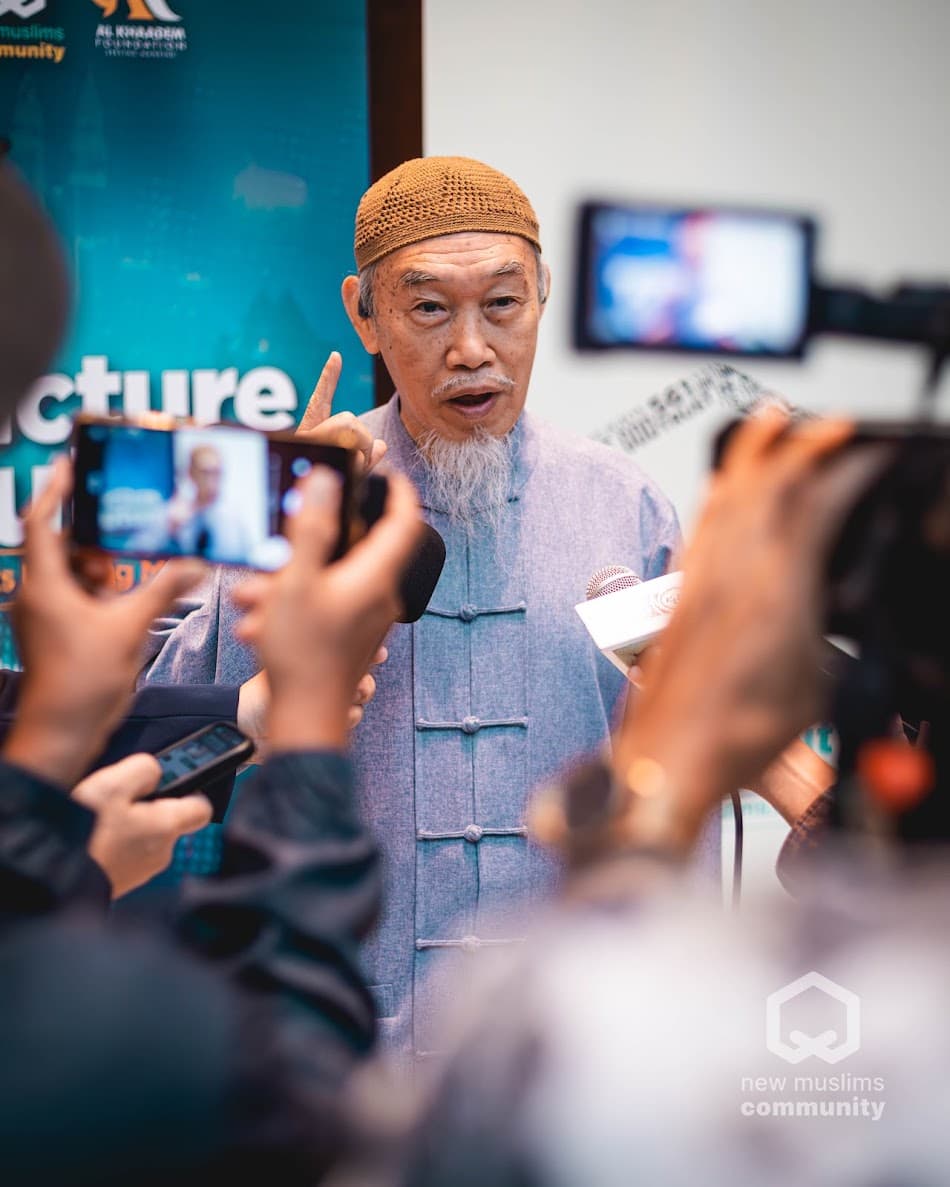
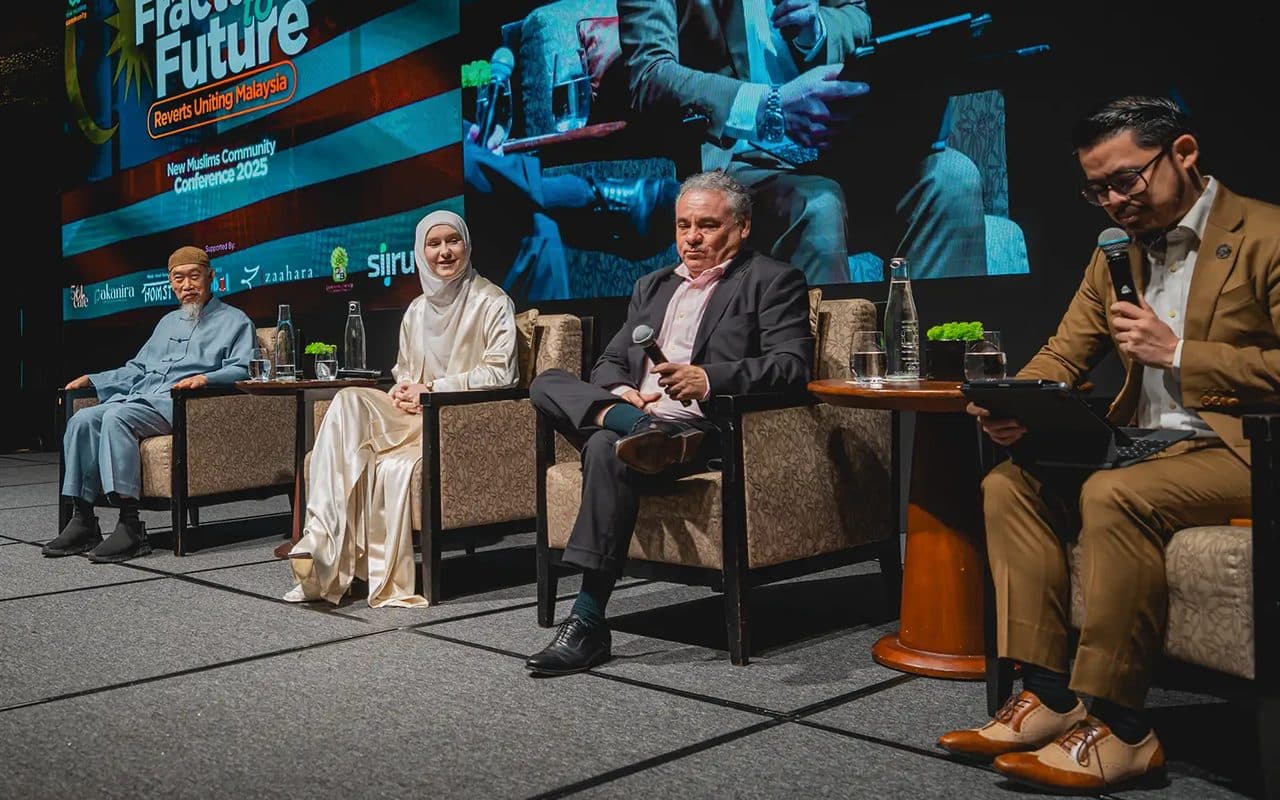
PanelDato' (Dr.) Sheikh Hussain Yee · Alana Dunsmore · Bruno Navet — moderated by Amin Idris
Long before Malaysia bore its name, this land was home to peoples of many faiths. The ancestors of today's Malay Muslims were also once non-Muslim — Islam spread through trade, good character, and human connection. Not force. Over time, faith became conflated with ethnicity, and embracing Islam began to be seen as adopting a particular culture and identity. This is where reverts challenge the system.
Reverts challenge the long-standing assumption that becoming Muslim means becoming culturally Malay. Their presence reminds us that Islam is a matter of faith and conviction, not ethnicity — and that Malaysia's Islamic identity was built on openness, not exclusivity.
Islam doesn't belong to the Arabs, neither does it belong to the Malays, the Chinese or Indians. Islam belongs to Allah. We are all Muslims. And when we follow Islam, we will be united — because Islam is one.
— Dato' (Dr.) Sheikh Hussain Yee
How Reverts See Through Malaysia's Political Theatre
PanelDato' Haji Kamarudin Abdullah · Firdaus Wong · Dr. Adam Voo Abdullah — moderated by Farouq Danial Dzulastra
This session challenged one of Malaysia's biggest tensions: when politics speaks louder than Islam itself. Islam and politics cannot be separated — not because Islam should be politicised, but because Islam is a complete way of life. Having encountered Islam from the outside, reverts often see more clearly when religion is being overshadowed by political theatre.
The issue is not Islam in politics — it is politics using Islam without being guided by it. Caliph Umar's concern for his people reflected what leadership should look like: service before status.
We don't have to change the leader to change the world. Focus on yourself and inshallah, the world around you will start to change.
— Session panellist
Beyond the Haram Police
PanelAmanda Lee · Darryl Cruz · Malek Hue — moderated by Aliza Kim
Beyond token stories — testimonies of awakening, rejection, struggle, hope and belonging. Reverts shared how embracing Islam often comes with both inclusion and exclusion at the same time: separated in school environments, told they could not pray in certain spaces, and family resistance that was sometimes more intense than expected.
Reversion does not end at the shahadah — it begins there. The main gap highlighted is not belief, but the need for greater understanding and empathy in how society responds after reversion.
Long before modern feminism, Islam gave women rights, respect and dignity, even in times when women had none.
— Amanda Lee
Why Reverts Hold the Key to a United Malaysia
PanelDato' (Dr.) Sheikh Hussain Yee · Yin Shao Loong · Zaid Azlan Klair — moderated by Anis Ramli
Turning the question outward: what role do reverts actually play in Malaysia's wider social fabric? Nation-building was described in simple terms — it is not built through statements or occasions, but through daily behaviour over time, and whether people are willing to stay in conversation with those outside their immediate circles.
Reverts are not an exception to Malaysia's story. They are already part of how different communities remain connected — the remaining question is how this existing role can be better recognised and integrated into wider efforts towards social cohesion.
When I became a Muslim, I noticed that I sat on the bridge between two sides. As a revert, you understand the not-yet-Muslim because you listen without judgement, and you know where they're coming from. That's the start.
— Session panellist
O mankind, indeed We created you from male and female and made you into nations and tribes so that you may know one another.
— Qur’an 49:13
What the conference actually delivered
NMCC 2025 was not designed as a one-off event. It functioned as a platform to test ideas, connect people, and surface a clearer national conversation on reverts in Malaysia. What it delivered was momentum.
A change in framing
Reverts were no longer positioned primarily as recipients of support or welfare. Through the conference theme and discussions, they were increasingly recognised as part of the national conversation on unity.
National media coverage
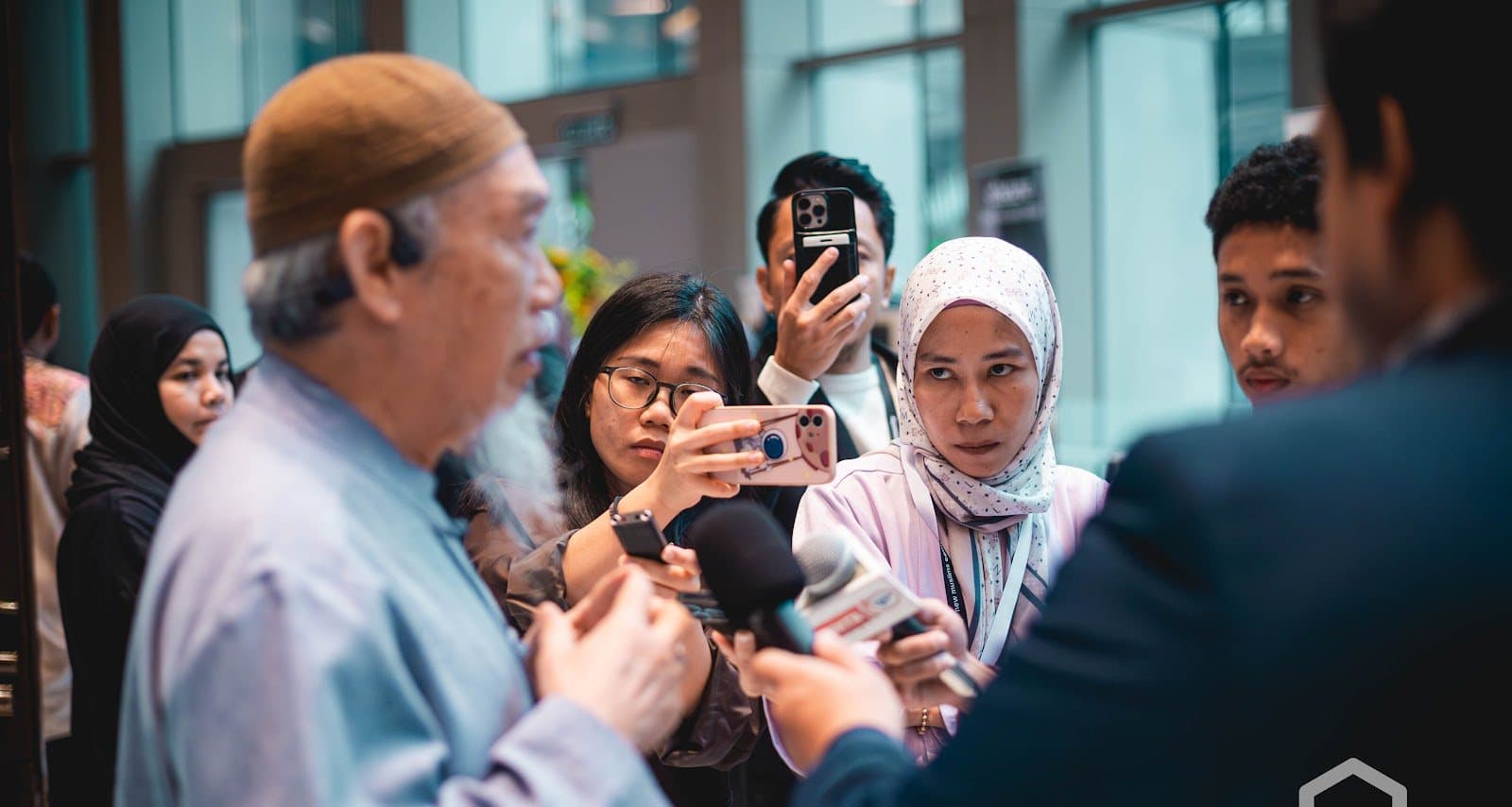
Coverage across English, Malay and Chinese media — FMT News, Sinar Harian, Sin Chew Daily, Astro Awani, Berita RTM and SAYS Seismik — reported not simply as a religious gathering, but as part of a wider discussion on social cohesion and national unity.
Increased clarity on revert identity
The discussions articulated what many reverts experience but rarely have space to express publicly: becoming Muslim is not a short adjustment phase. It is a lasting identity that shapes daily life and relationships over time.
New collaborations and community connections
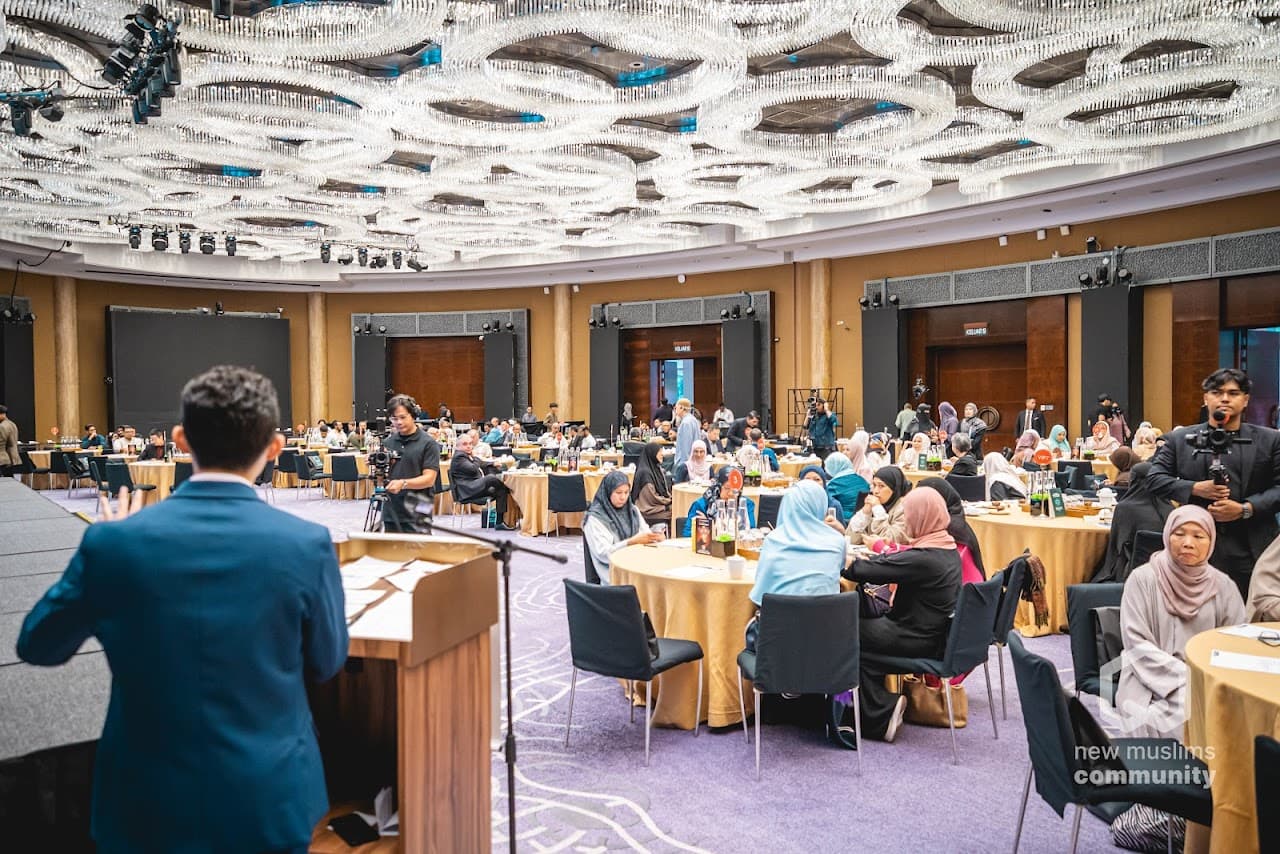
With over 400 attendees from community groups, NGOs, academia, media and the corporate sector, the conference created new relationships across organisations that typically operate in parallel.
Greater visibility for the NMC ecosystem
The event raised awareness of the New Muslims Community programme — a long-running weekly initiative supporting reverts — and strengthened Al Khaadem's standing as a national institution. It laid the foundation for NMCC 2026 and future efforts.
Notable guests & media
Attended by respected public figures, industry leaders and media personalities — and reported across the country.
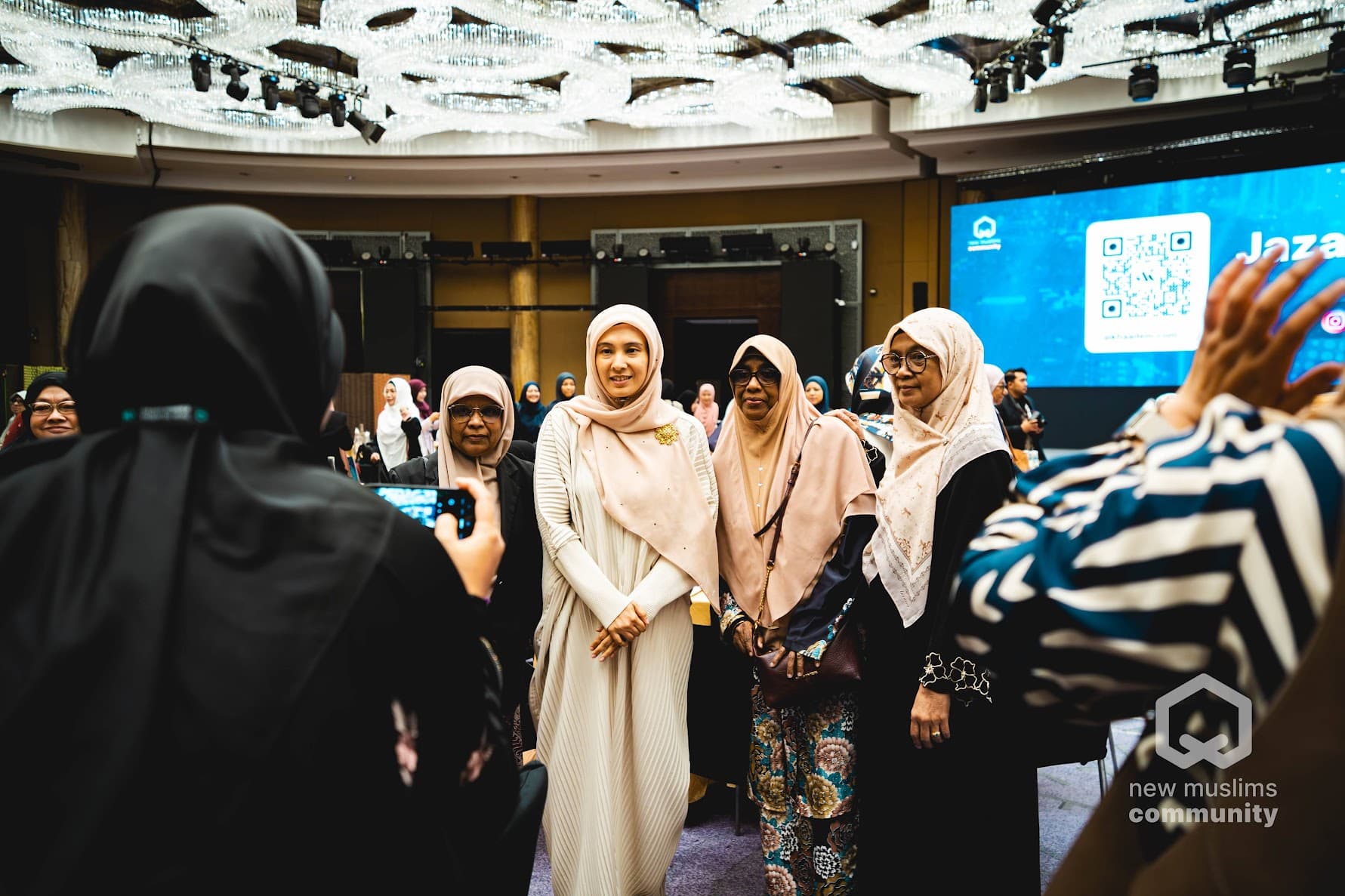
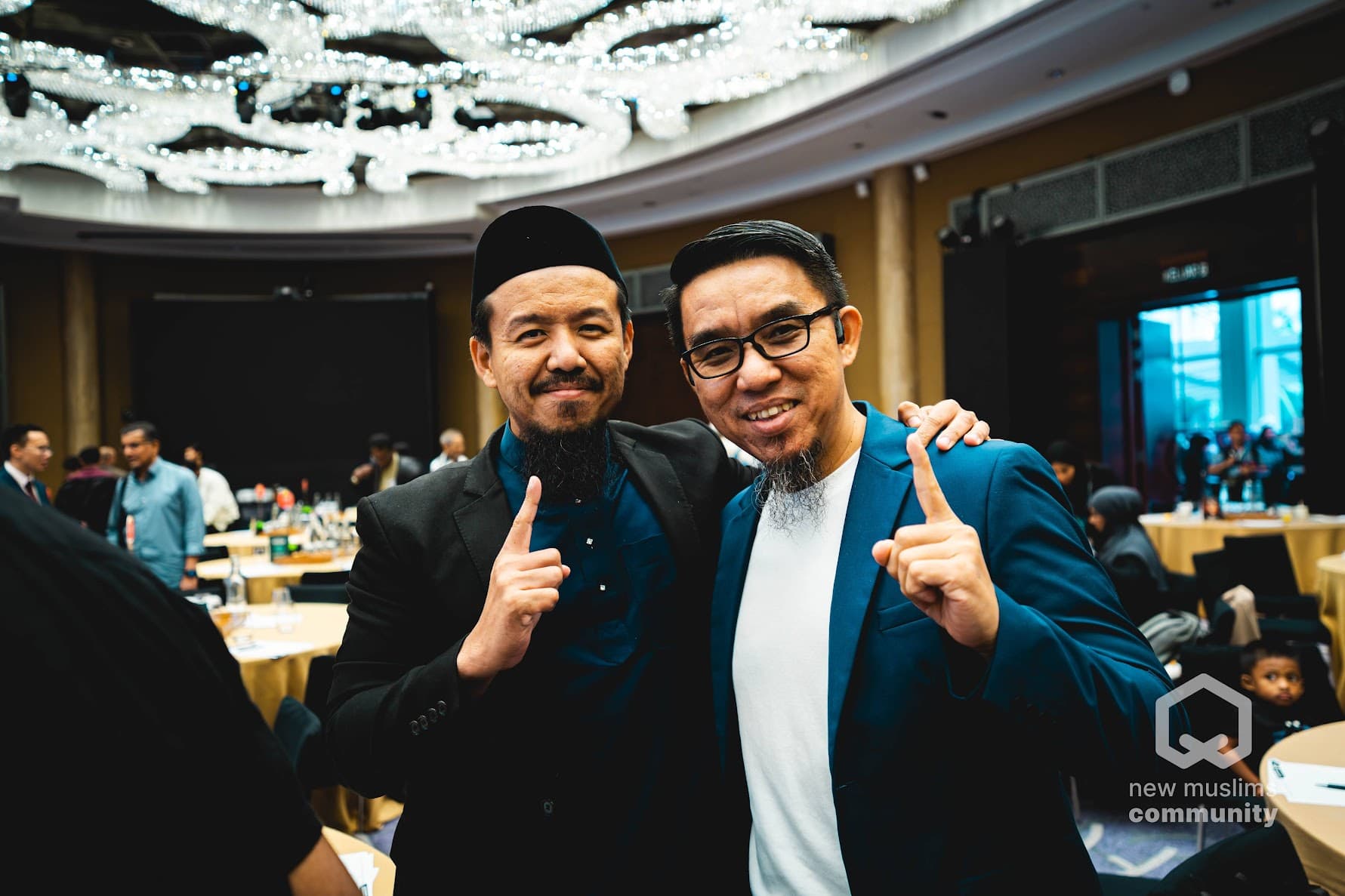
Reported in English, Malay and Chinese — as a story of social cohesion, not just a religious gathering.





 and more
 Nation · 1 Sept 2025
How new Muslims can help unite Malaysia
Read the article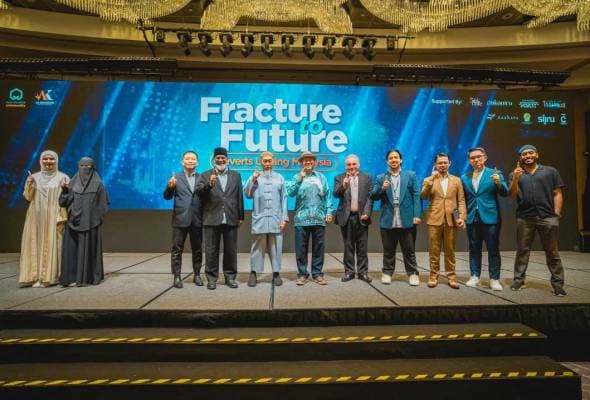 Berita Malaysia · 30 Ogos 2025
Mualaf pegang peranan jambatan perpaduan
Baca artikel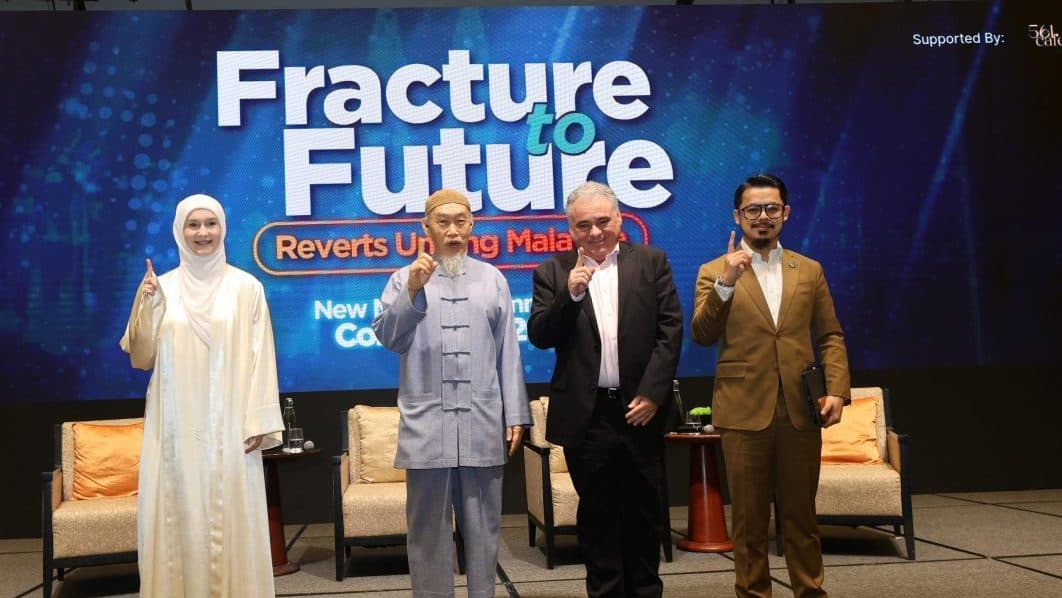 国内 · 28.08.2025
李金友:大马可成世界榜样,证明信仰多元性非分裂根源
阅读全文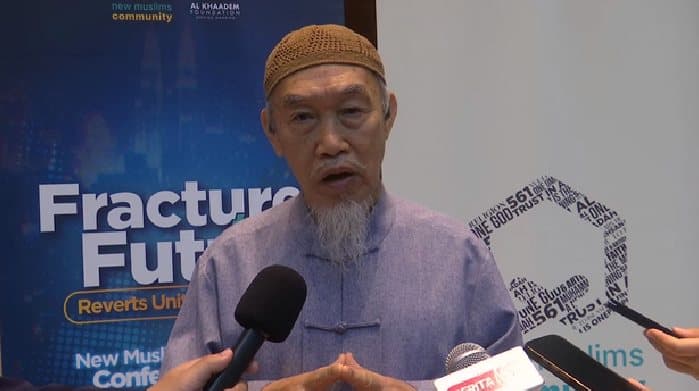 Nasional · 28 Ogos 2025
Saudara baharu jambatan harmoni Malaysia
Baca artikel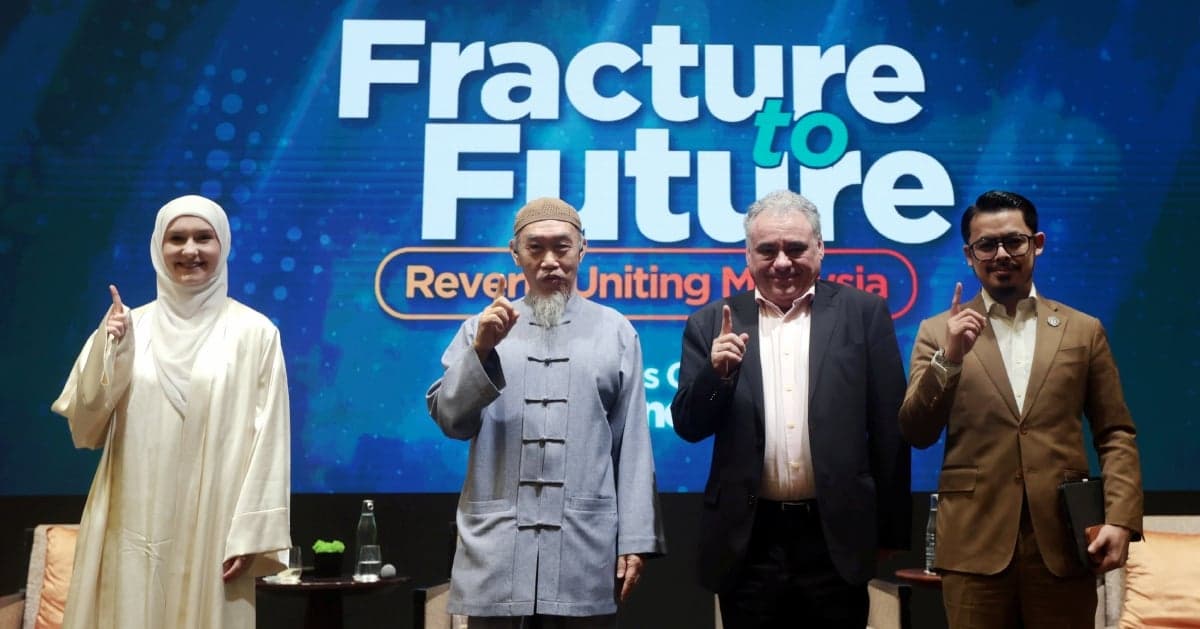 Utama · 28 Ogos 2025
Pilihan rawak ke Malaysia buka jalan Alana memeluk Islam
Baca artikel
 Video forum · Aug 2025
Malaysia, A Nation of Converts
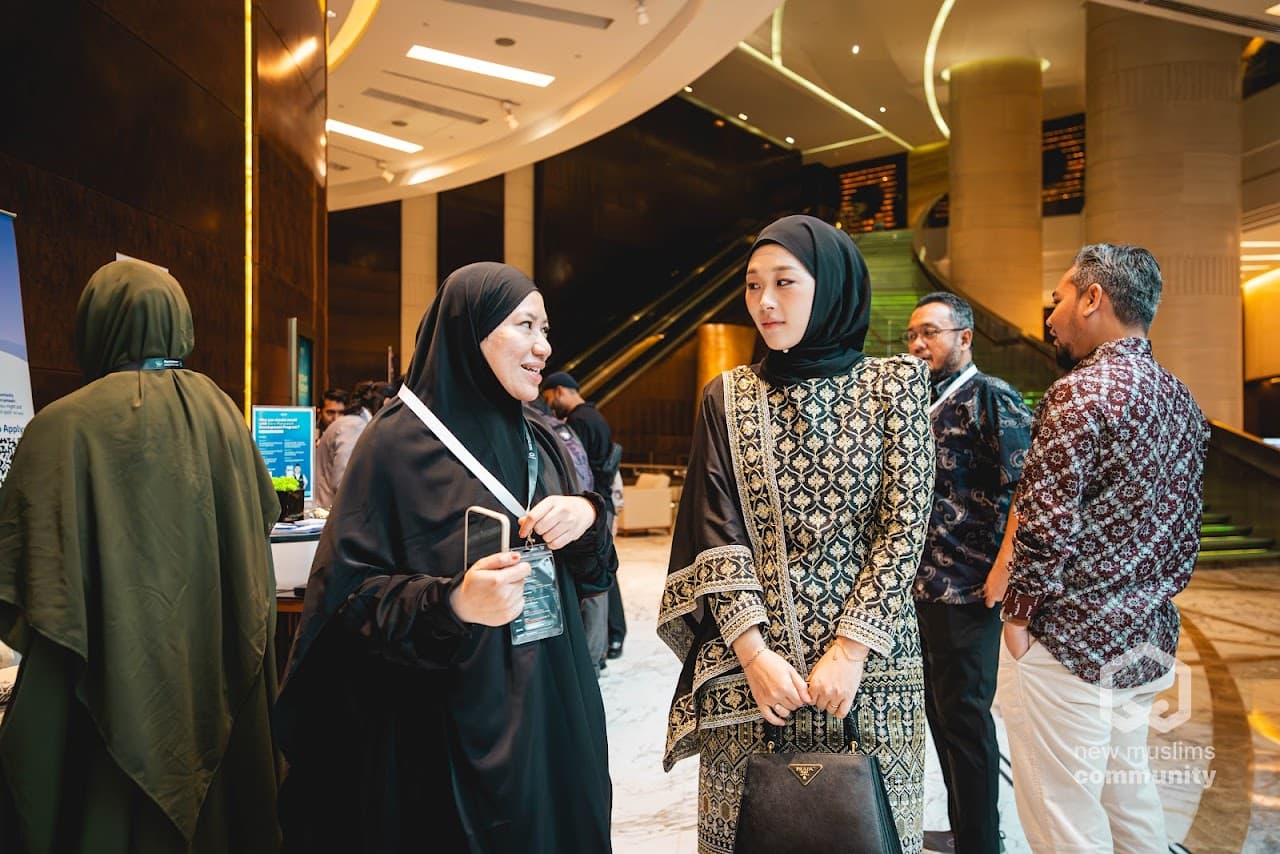
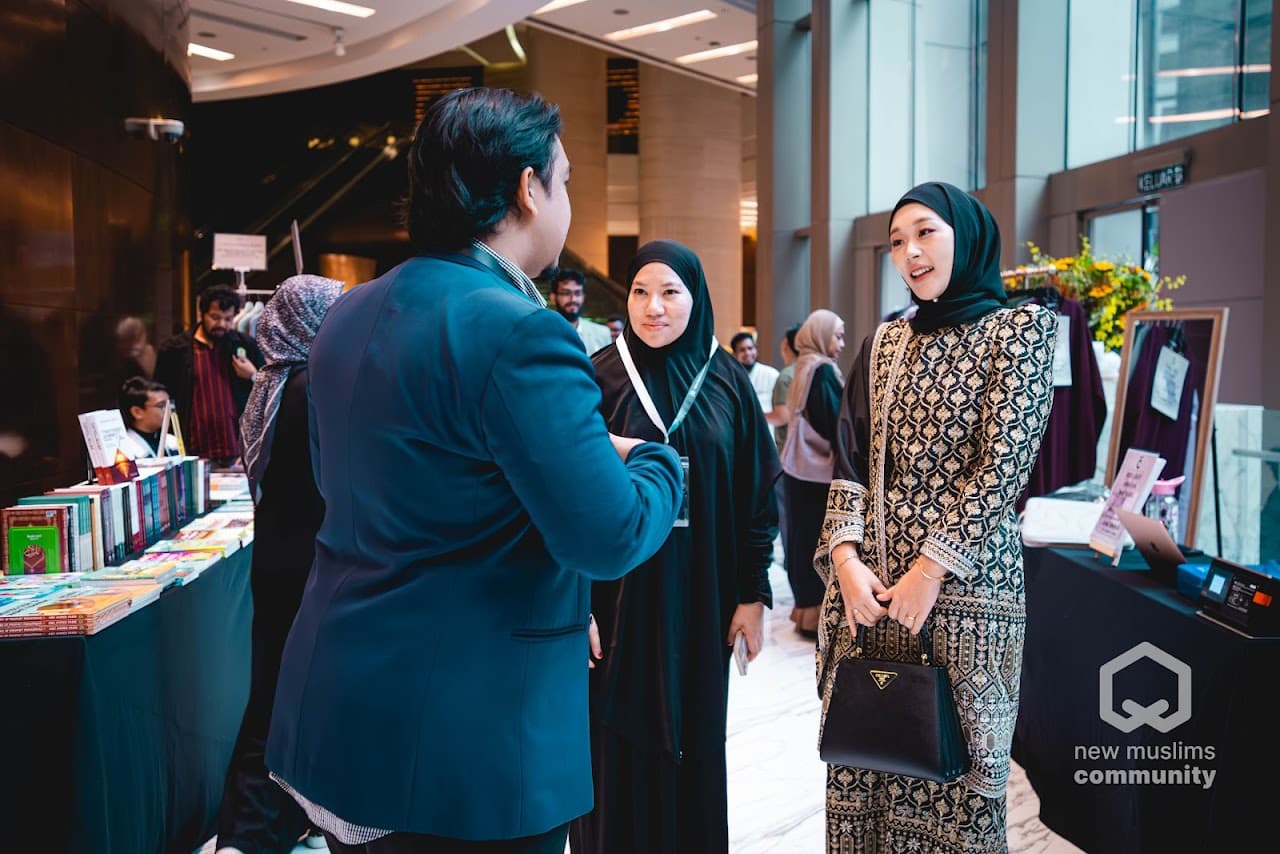
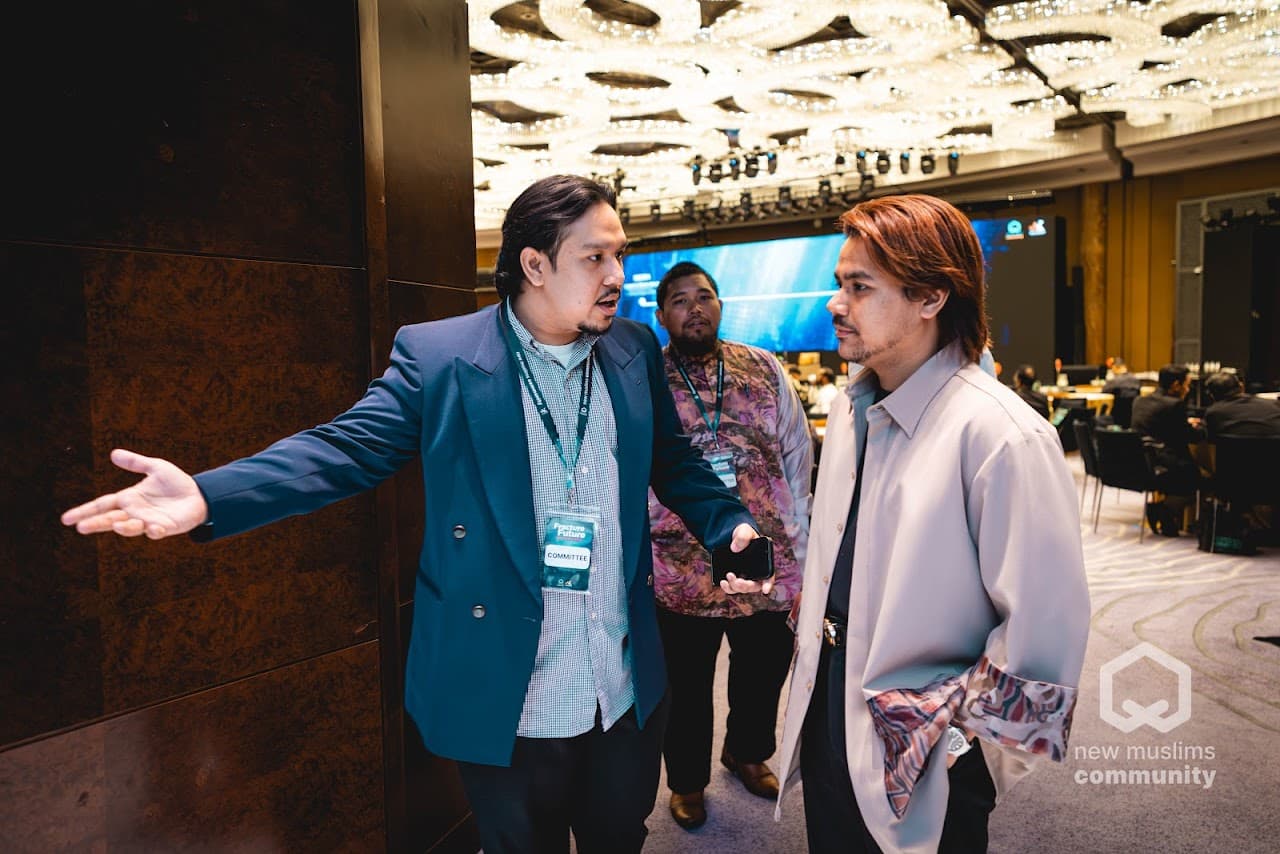
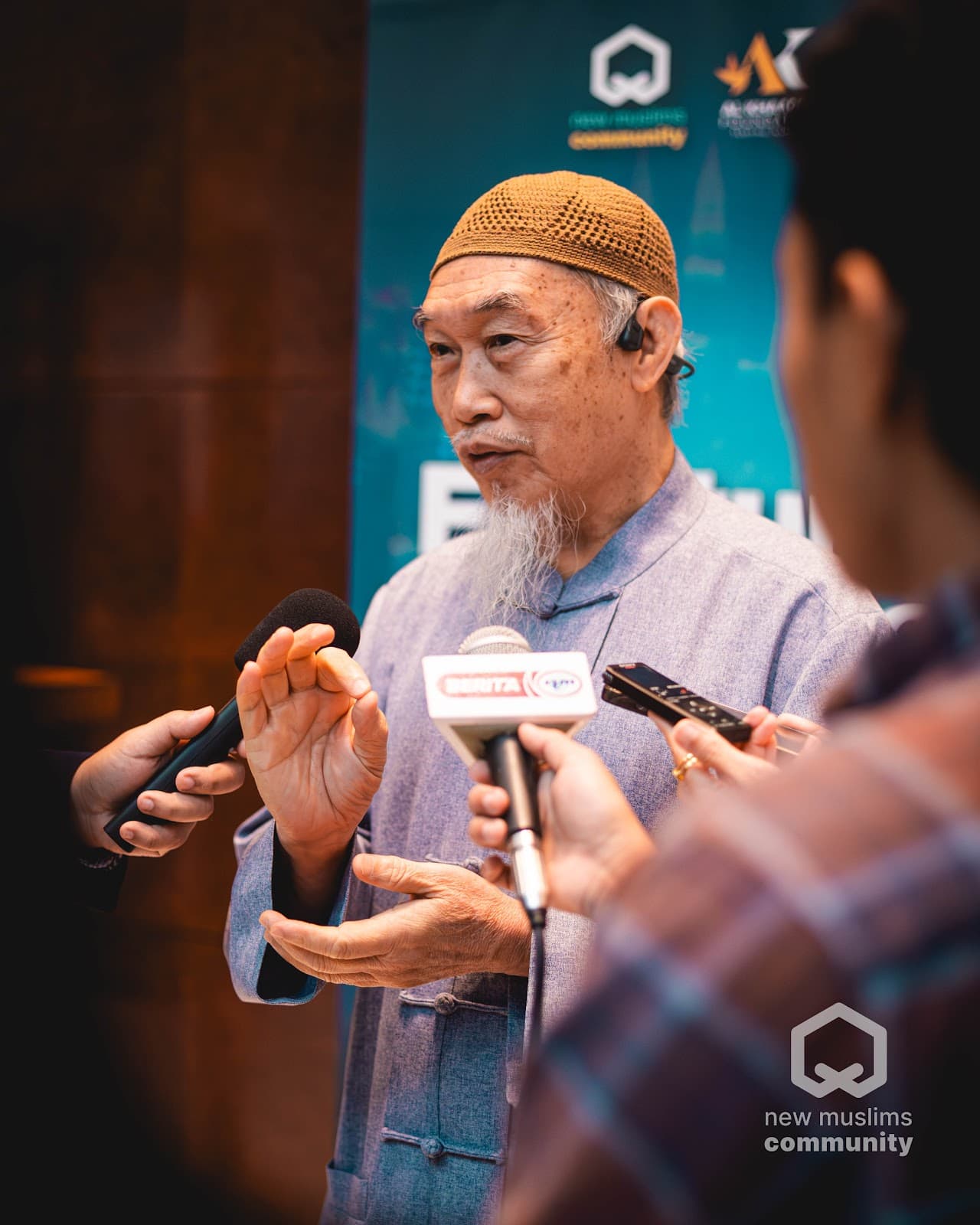
Watch the forumA day in the room
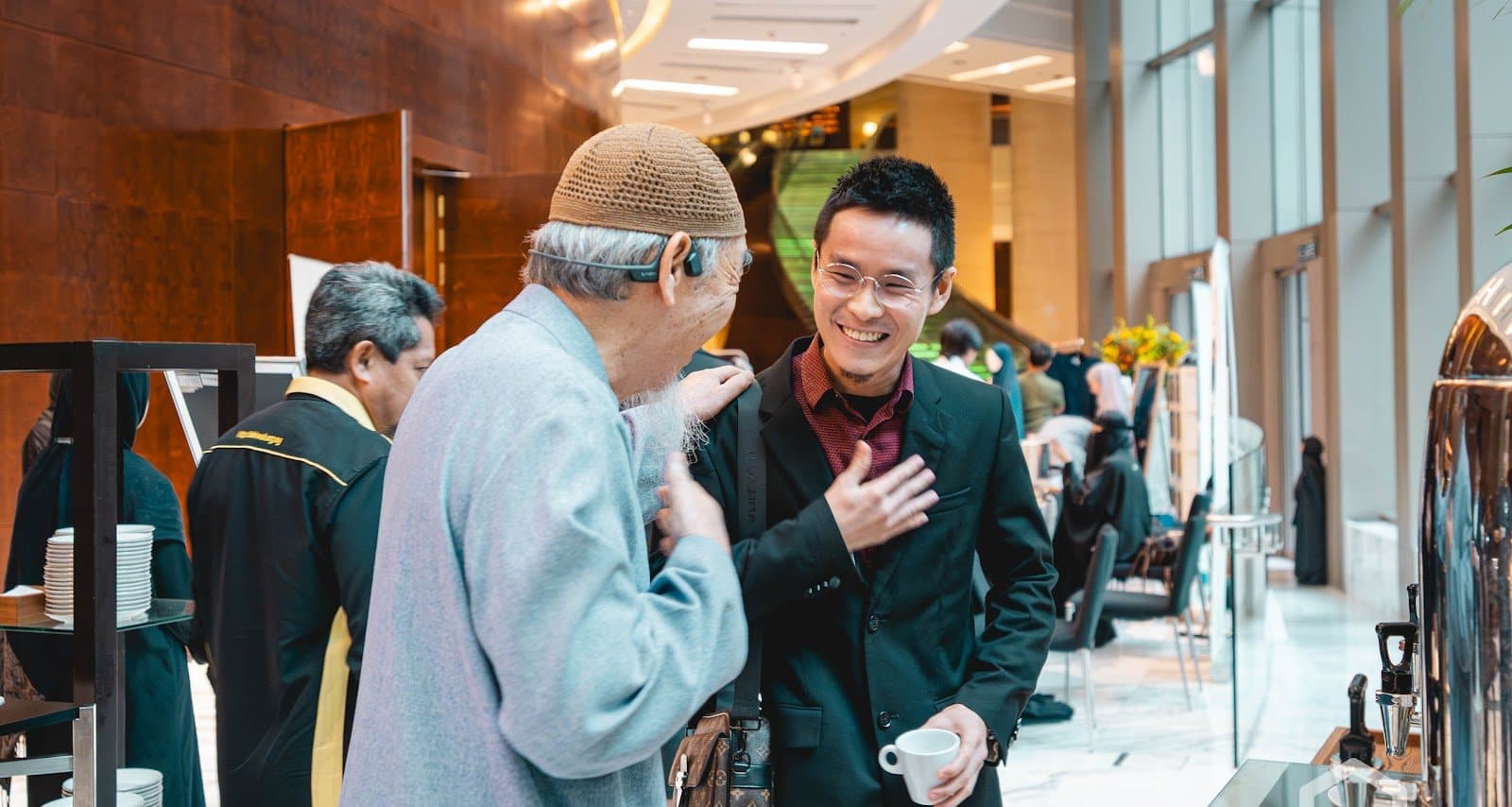
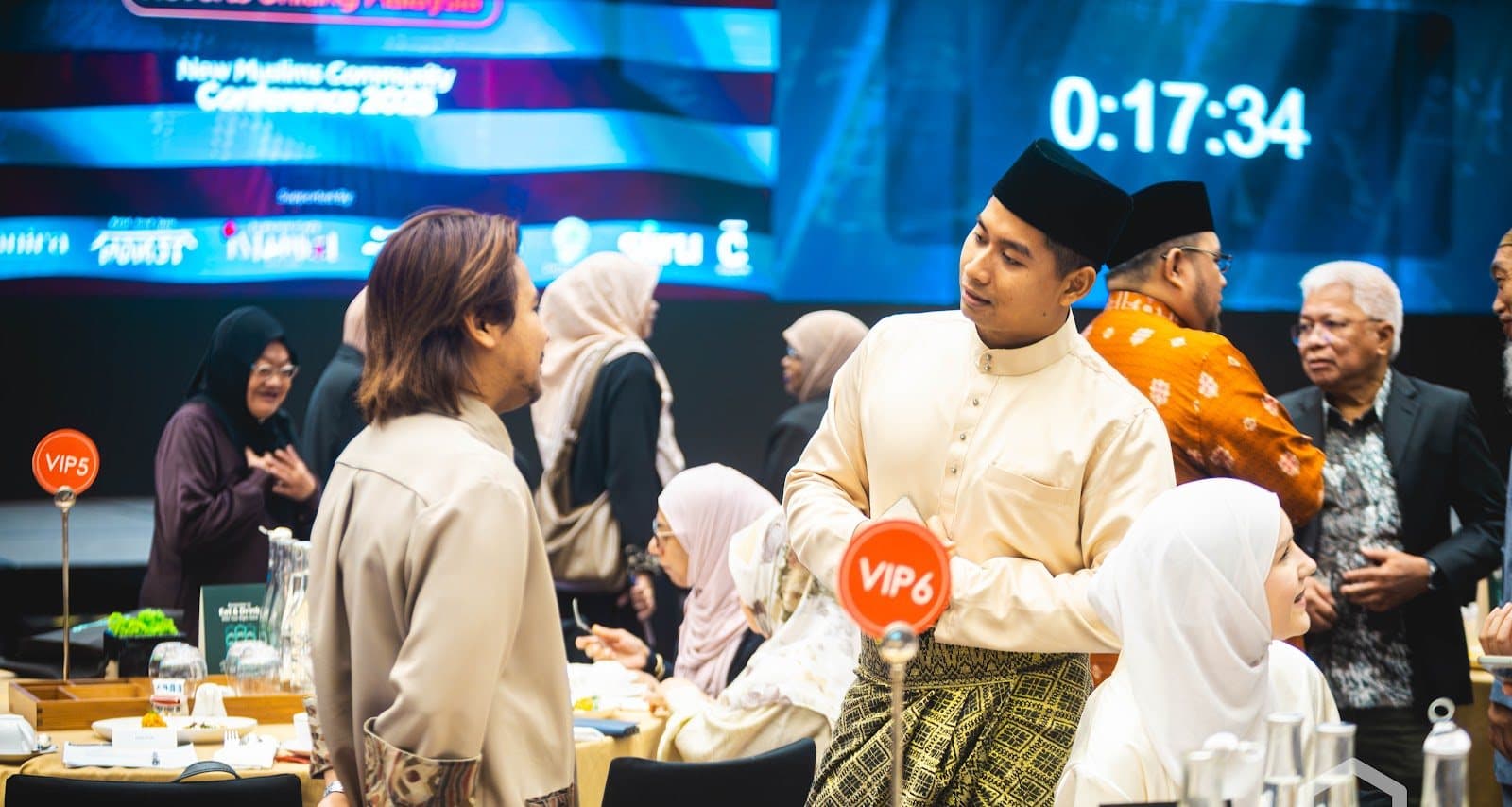
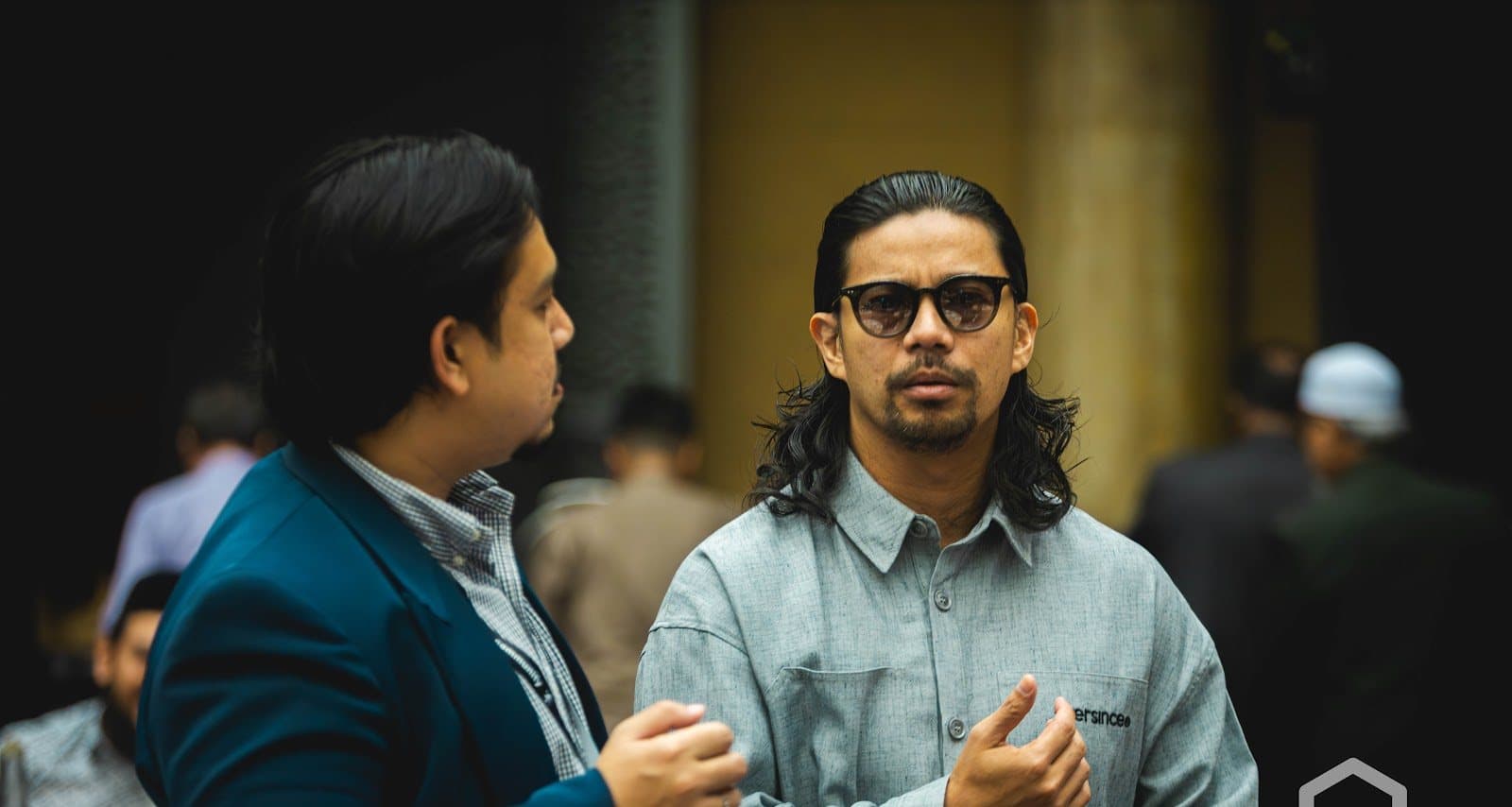
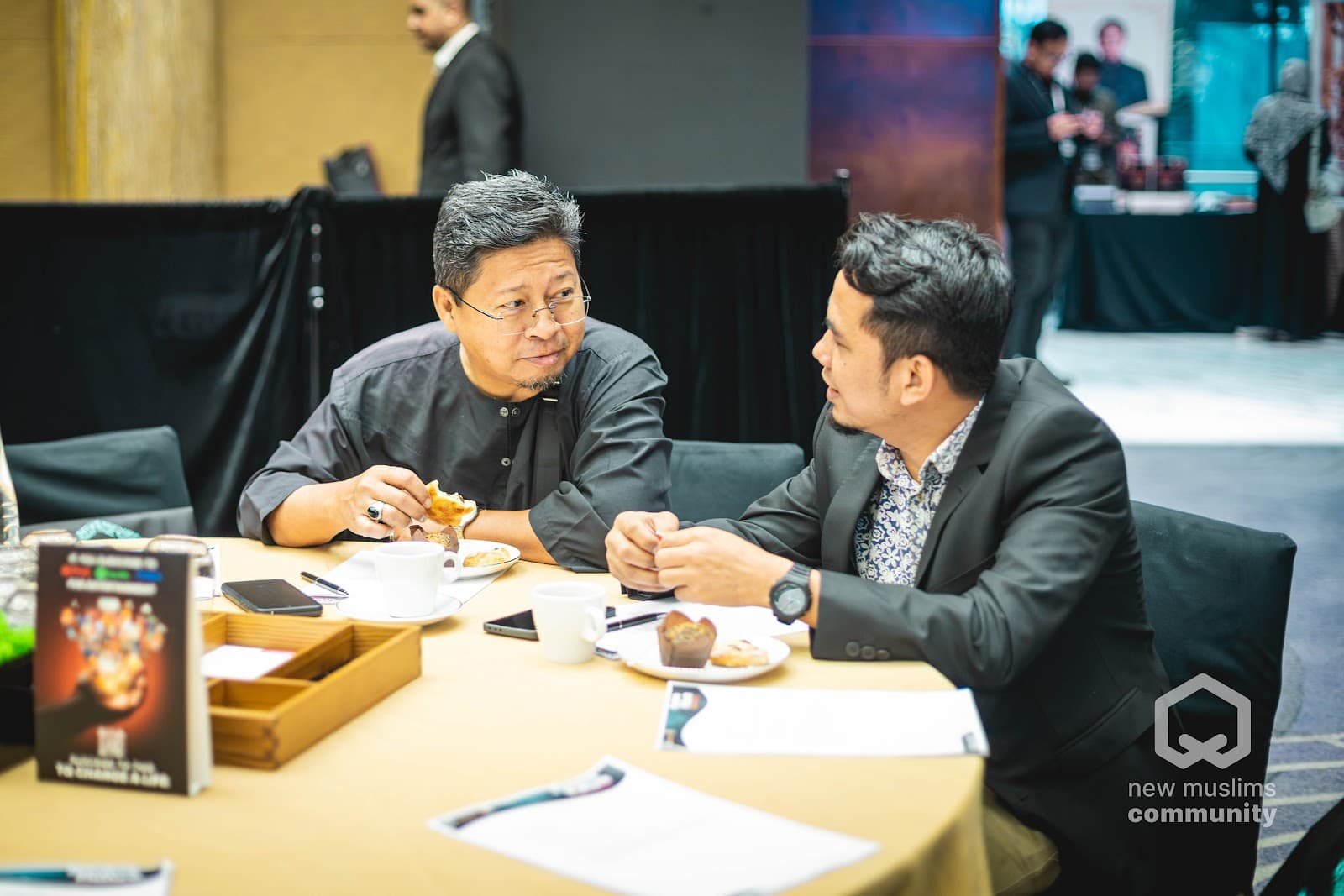
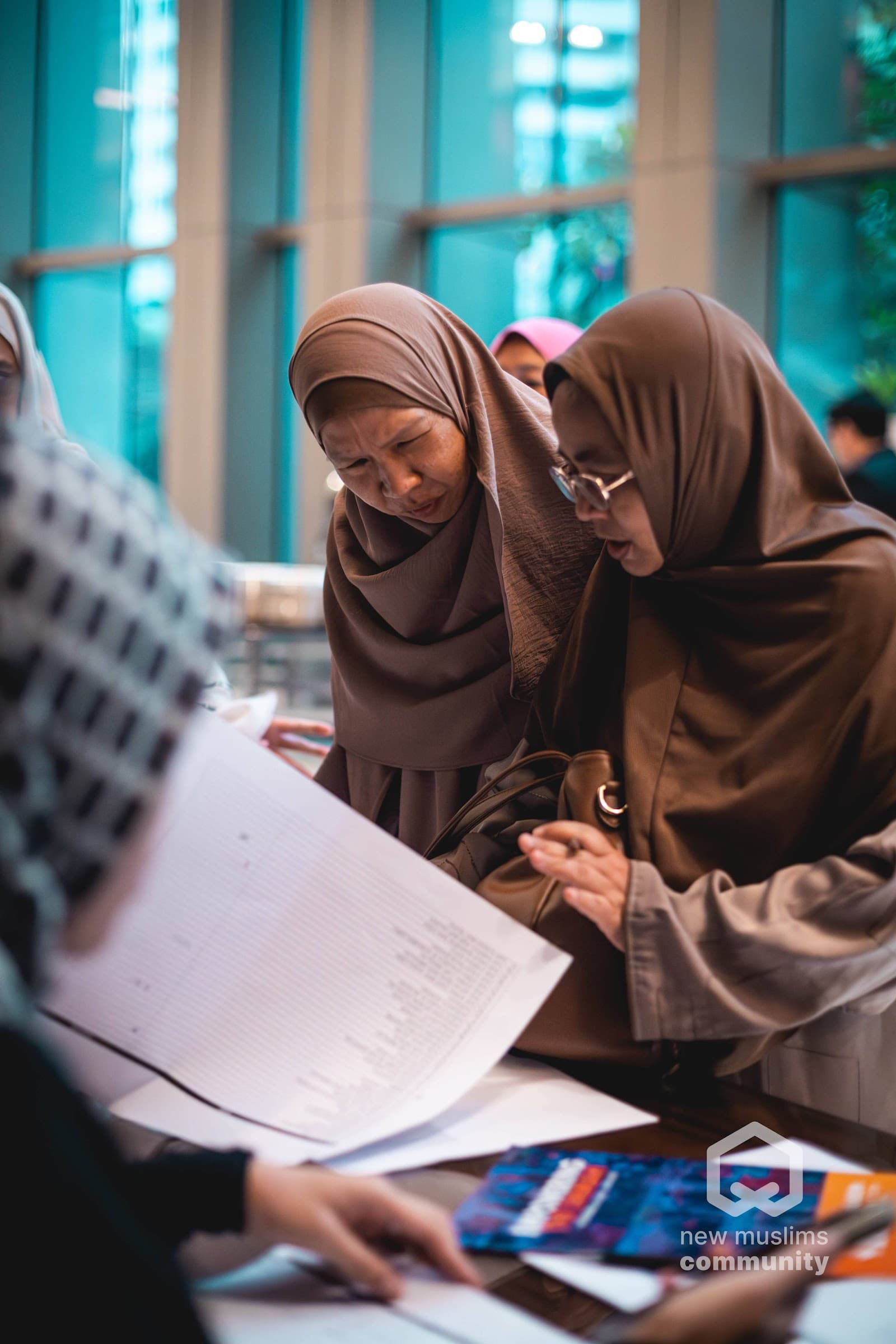
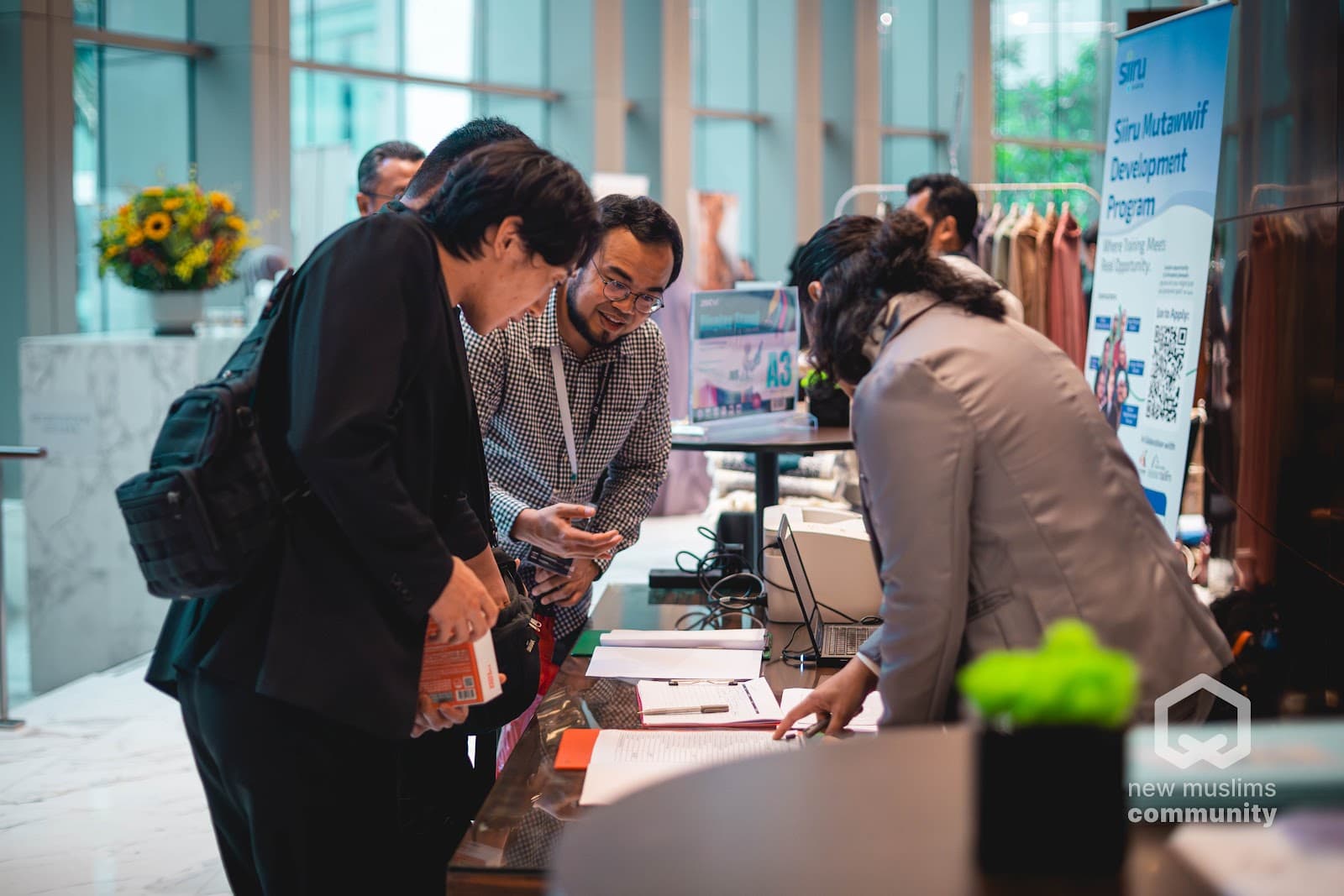
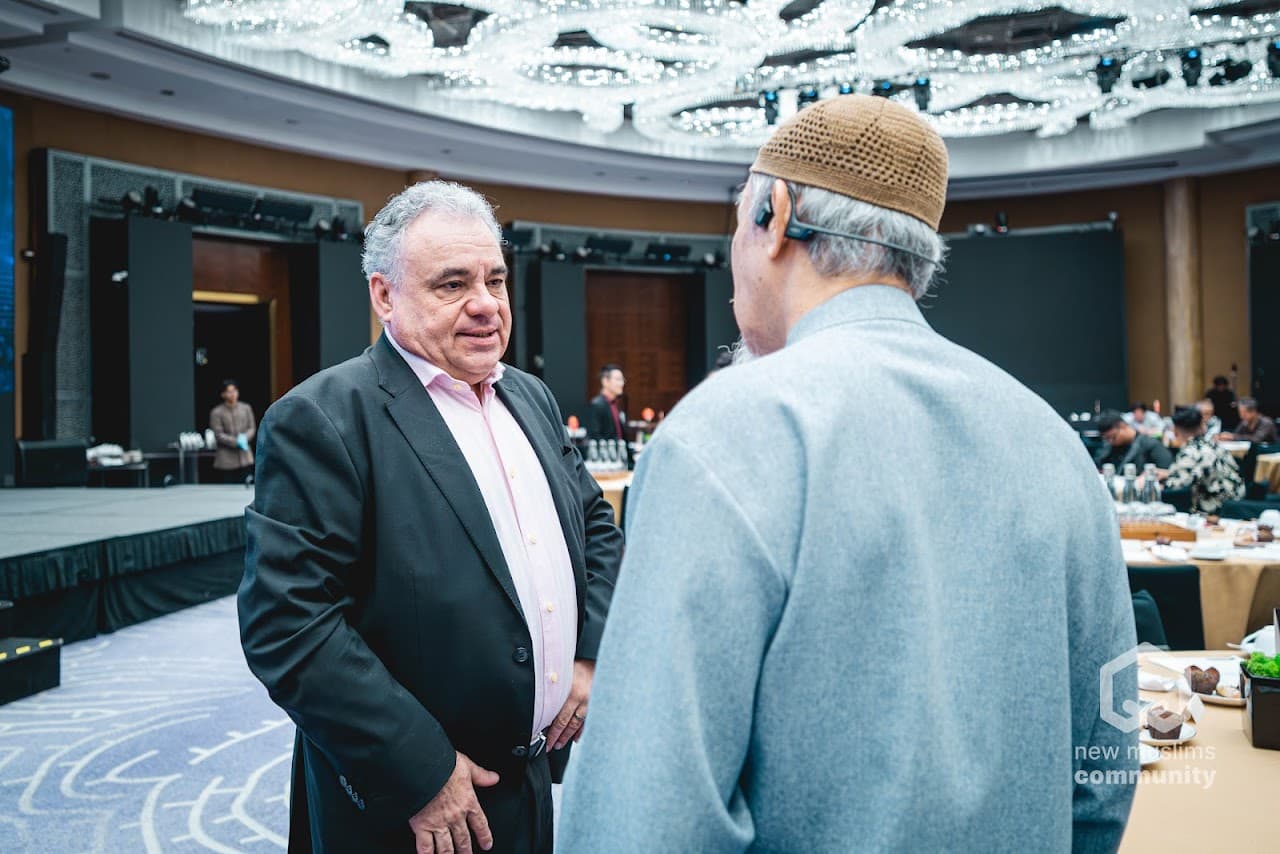
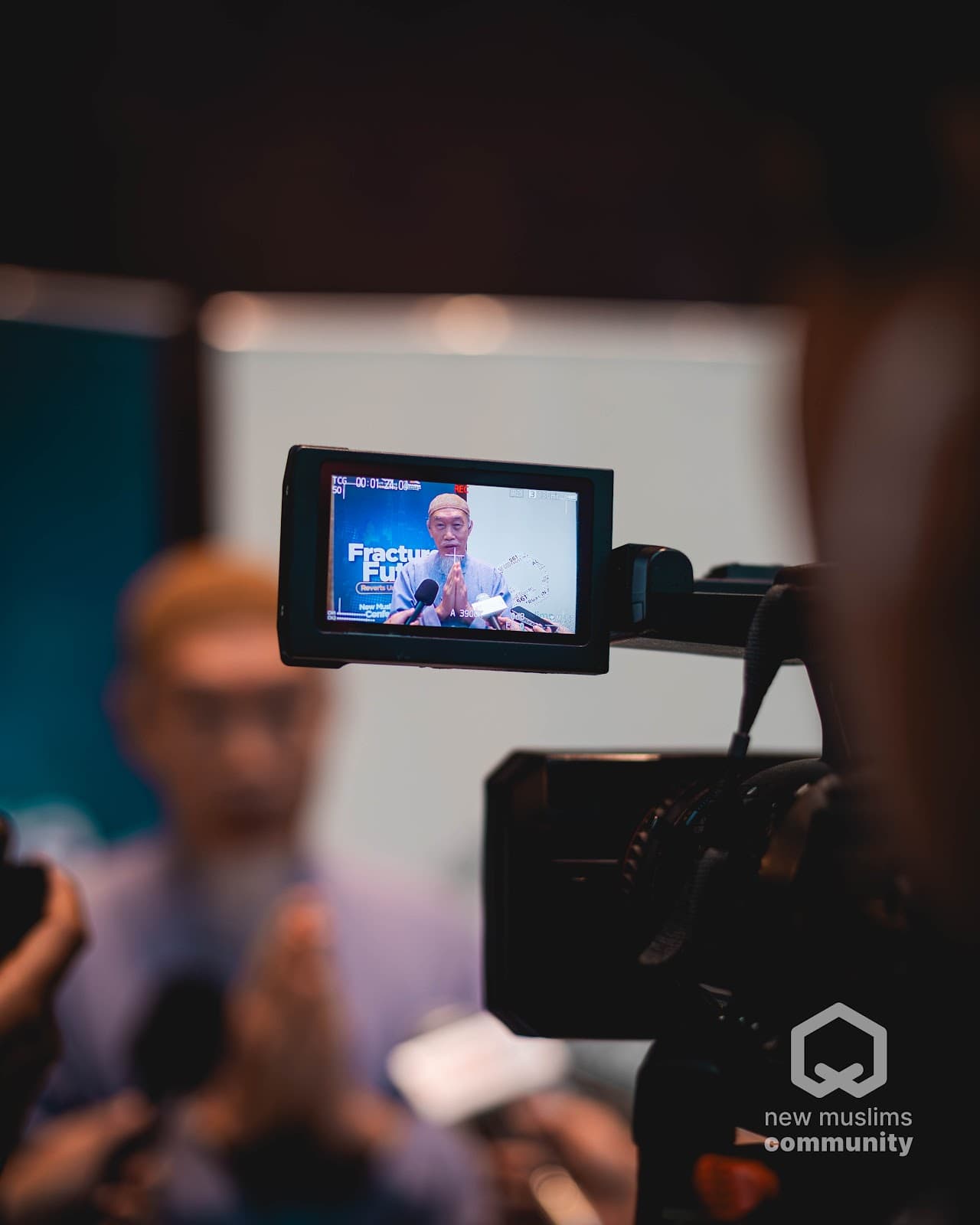
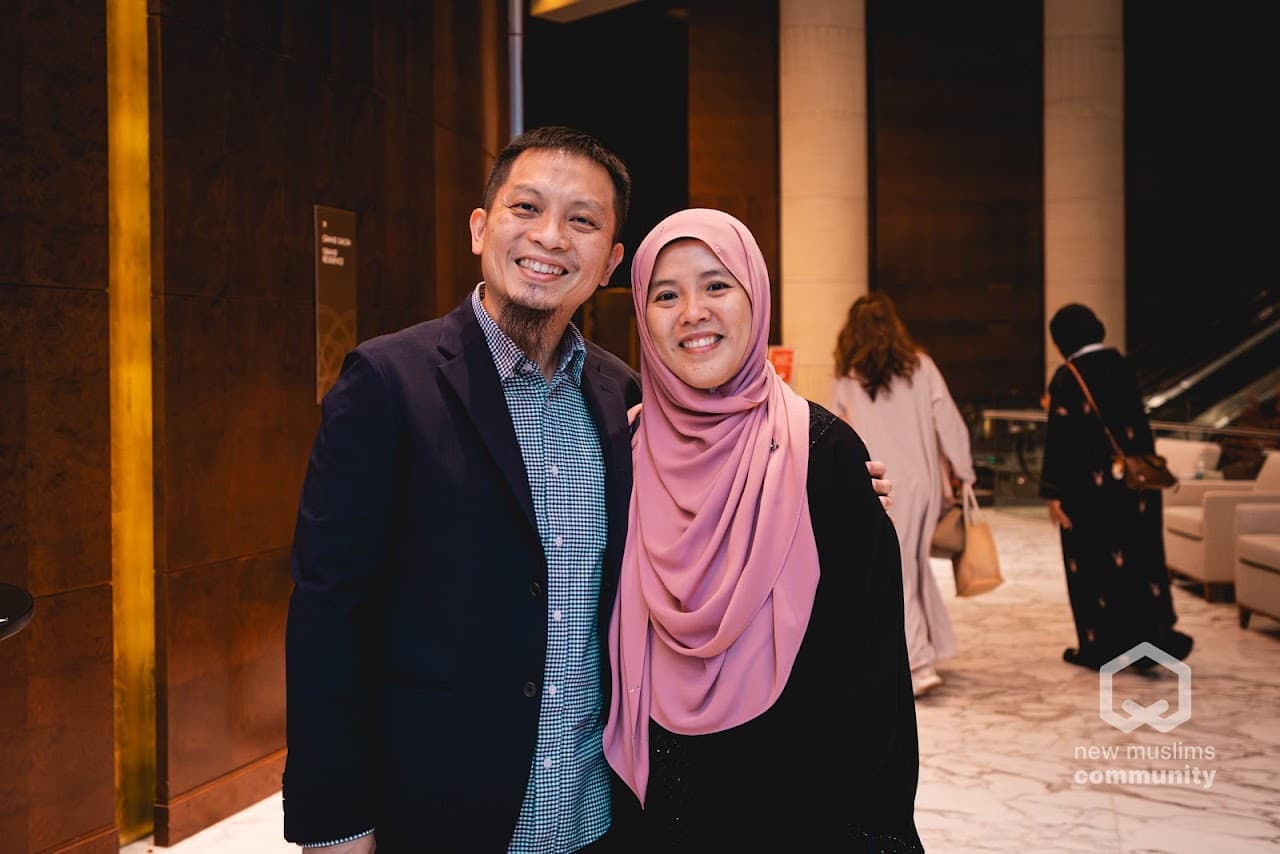
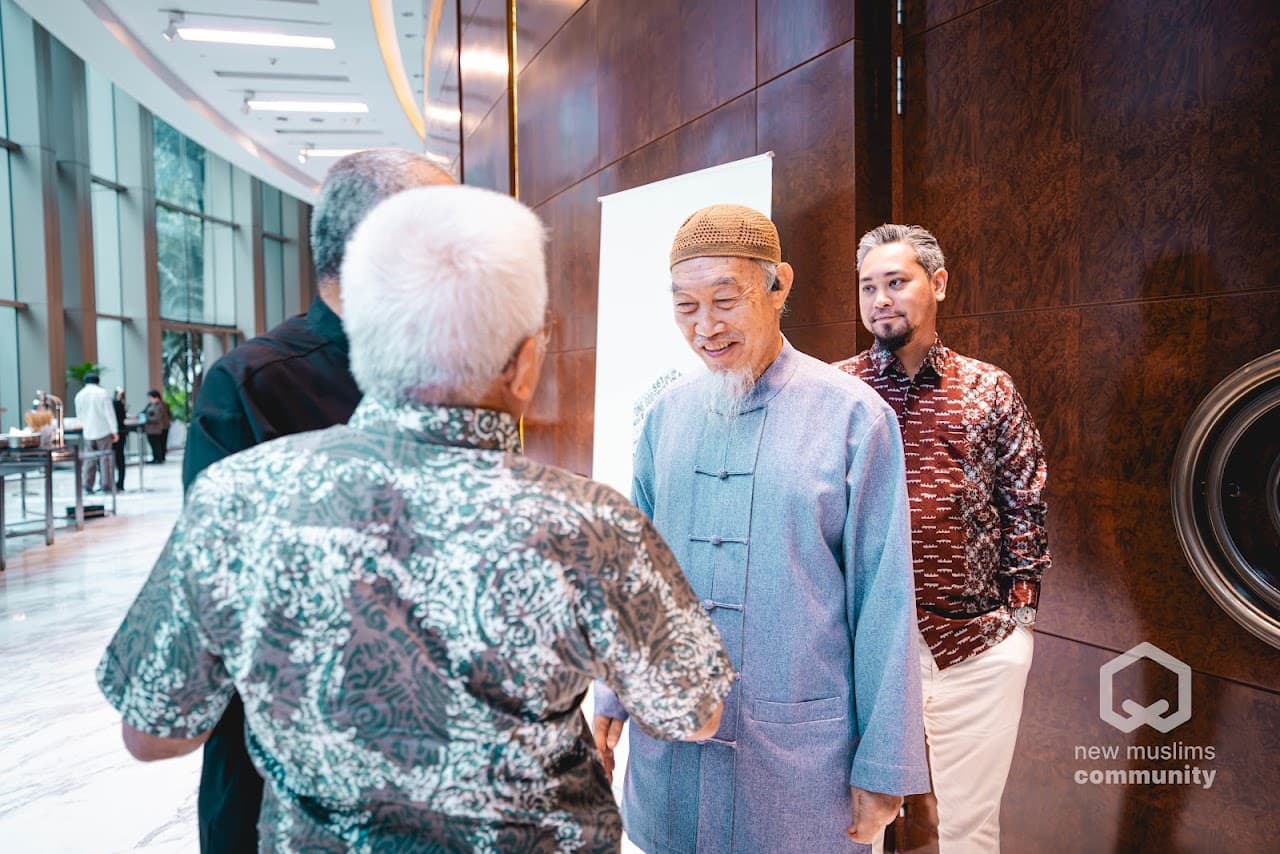
Reverts, scholars, media and national figures — in conversation, side by side.
The silent architecture of unity
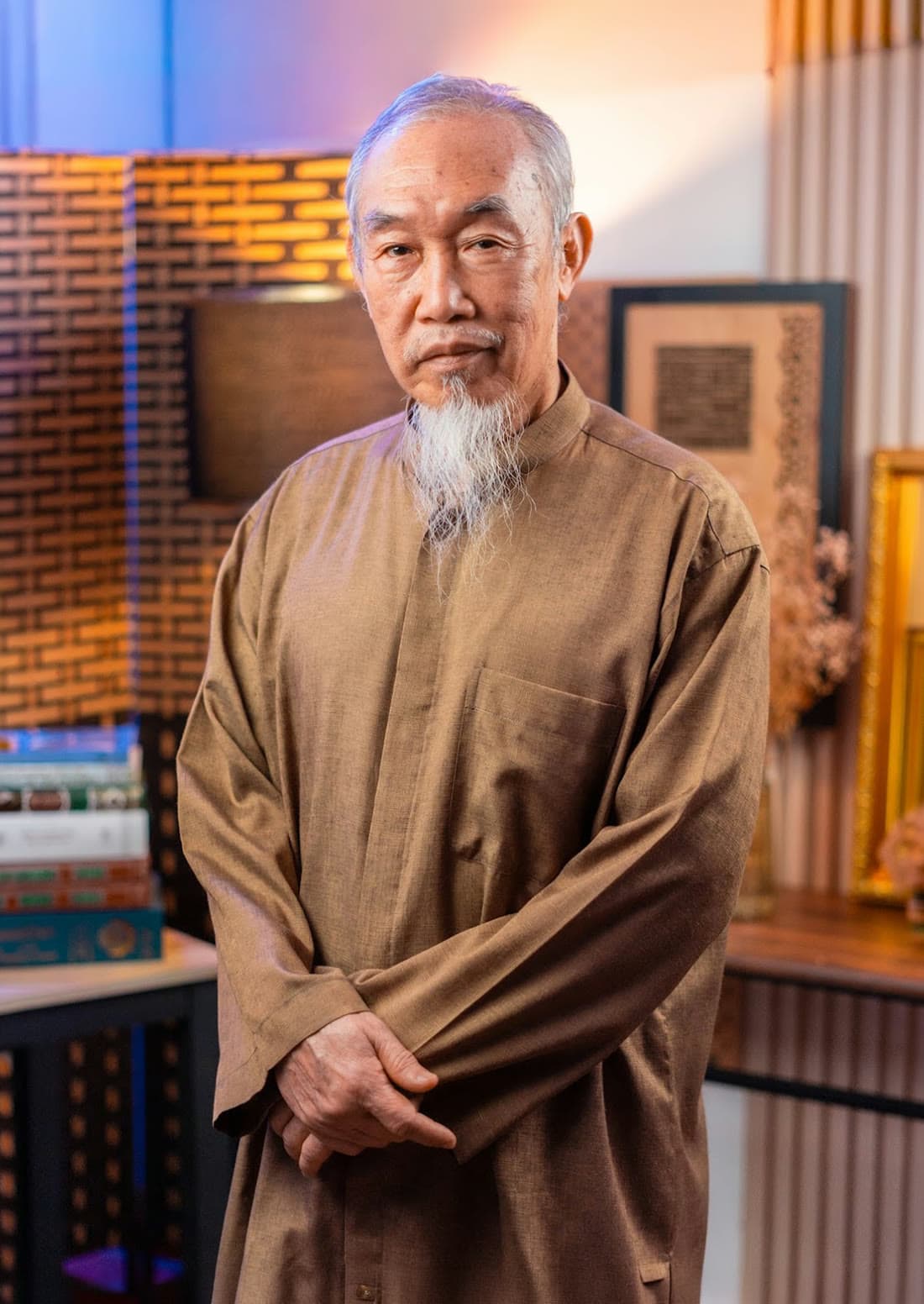
The work began more than 40 years ago — and it has never stopped.
In Malaysia, conversations about unity often begin at conferences and end in speeches. For Dato’ (Dr.) Sheikh Hussain Yee, the work has spanned decades: counselling reverts through family challenges, helping parents understand a child’s decision to embrace Islam, and reminding Muslim communities that Islam does not belong to any particular race.
Born into a Malaysian Chinese Buddhist family, he embraced Islam in his youth and later studied hadith at the Islamic University of Madinah under Sheikh Muhammad Nasiruddin Al-Albani, one of the most respected Islamic scholars of the 20th century. He returned to Malaysia with a clear purpose: to make Islam accessible, understood, and lived without fear or tribalism. That mission became Al Khaadem.
“Islam is here to unite, not disconnect a family.”
Beyond the religious space
His work has never been confined to Muslim audiences — from university engagements at UTAR with the late Tun Ling Liong Sik, to the Sinar Harian “Table of Unity” alongside Transport Minister YB Anthony Loke, and the Raya Open House at Masjid Al Ehsan with local non-Muslim communities. His message has remained consistent: Islam belongs to no race.
The missing piece in a decades-old question
Policies, campaigns and public programmes have all tried to build unity across race, religion and culture. The deeper challenge remains: how do people from different backgrounds truly understand one another?
The missing piece
Reverts have crossed social and cultural boundaries in a way many Malaysians have not. They know what it means to leave one community and enter another, while still carrying the realities of both. That gives them something valuable: perspective.
A moderating force
They came to Islam through conviction, not inheritance. Their lives show that faith is not tied to ethnicity — a natural moderating force in conversations where religion is too often shaped by politics and racial identity.
Social cohesion as a national priority
Reverts remain connected to both Muslim and non-Muslim communities — families, workplaces, friendships, neighbourhoods. These small connections are often what hold diverse societies together.
Reverts are already doing the work. The question is whether Malaysia is ready to recognise it.
This must not end as a single conference.
“The best of people are those most beneficial to others.” — Prophet Muhammad ﷺ
The next chapter is NMCC 2026 — a nationwide tour, starting in Johor Bahru.
Reach out to us at newmuslims.co@alkhaadem.com